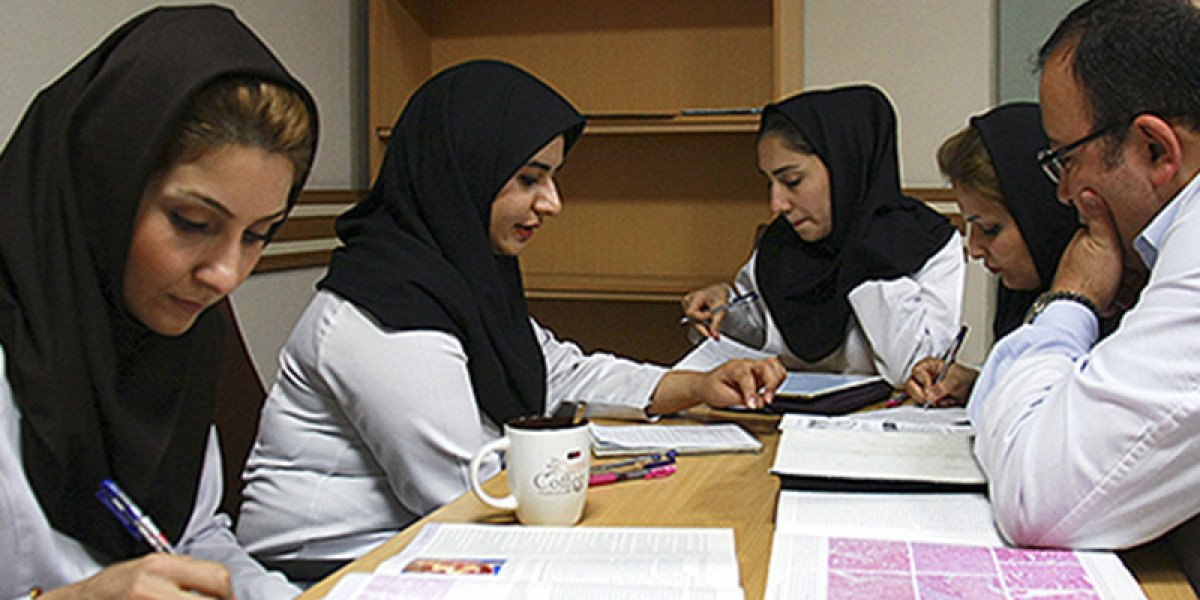

Pursue an mbbs in Egypt for medical students has become a realistic and increasingly popular choice for Indian and international aspirants who want strong academics, meaningful clinical exposure, and a globally recognized medical degree without facing extremely high costs. But beyond brochures, marketing lines, and surface-level information, what do students actually experience when they study medicine in Egypt? Understanding the ground reality of academic life, hospital training, culture, lifestyle, and career readiness helps future doctors make an informed and confident decision.
Academic Environment and Teaching Style
Medical education in Egypt is highly structured, disciplined, and deeply rooted in academic seriousness. Universities follow an internationally aligned curriculum that emphasizes both theoretical clarity and clinical relevance. In the early years, students focus on foundational subjects such as anatomy, physiology, biochemistry, histology, and pathology. These are taught through classroom lectures, practical sessions, dissection labs, and case-based learning, ensuring that students understand not just definitions but also the real application of concepts.
As students move forward, the program gradually becomes more clinical. Subjects such as internal medicine, surgery, pediatrics, obstetrics and gynecology, neurology, orthopedics, and emergency medicine come into focus. Professors maintain high expectations regarding attendance, participation, and academic discipline. Unlike very relaxed systems, Egyptian medical education demands consistency, regular study, and preparedness. Students quickly realize that becoming a doctor here requires focus, dedication, and respect for the profession.
Clinical Exposure and Hospital Training
One of the most valuable experiences students gain in Egypt is real and extensive clinical exposure. Egyptian government and teaching hospitals experience high patient inflow, which exposes medical students to a diverse range of medical conditions. Whether it is infectious diseases, trauma, surgical cases, pediatric conditions, or maternal health concerns, students get the opportunity to observe real patients regularly.
Clinical postings are not just for observation; students gradually participate in ward rounds, assist in patient examinations, engage in case discussions, and observe procedures under the guidance of experienced doctors. This structured involvement helps them develop clinical confidence and diagnostic reasoning. By the time students reach internship, they are familiar with hospital systems, patient communication, and the realities of busy healthcare environments.
Assessment Style and Academic Pressure
Medical education in Egypt involves regular assessments, internal evaluations, practical examinations, and vivas. Exams are designed to test real understanding rather than rote learning. Students are expected to explain concepts, demonstrate clinical thought processes, and justify medical decisions. This builds exam readiness not only for university exams but also for future licensing exams such as FMGE/NExT, USMLE, or PLAB.
Yes, the academic journey is demanding. Students experience pressure, tight schedules, and strong expectations — but this environment shapes discipline, resilience, and professionalism, traits every good doctor needs.
Language and Communication Experience
While MBBS programs in Egypt are largely taught in English, real-life patient communication often happens in Arabic. Many universities help international students learn basic medical Arabic to communicate effectively during hospital postings. Over time, students adapt, pick up commonly used phrases, and develop the confidence to interact independently.
This language learning experience, though initially challenging, becomes a strength as students develop better communication skills, listening abilities, and cultural understanding. These skills help significantly in building doctor-patient trust.
Living Conditions and Student Lifestyle
Student life in Egypt is comfortable, affordable, and culturally enriching. Most universities offer hostel accommodation or assist students in finding nearby apartments. Living costs are significantly lower than many European countries, and day-to-day expenses remain manageable for middle-income families. Indian food is available in major cities, and many students prefer cooking themselves.
The environment is generally safe, disciplined, and supportive for international students. The presence of a large global student community means students rarely feel isolated. Over time, friendships, study groups, and social activities help students maintain a balanced lifestyle while staying focused on academics.
Culture, Adaptation, and Daily Reality
Egypt is welcoming, respectful, and culturally rich. Students experience a new culture, traditions, and lifestyle, which expands their worldview and adaptability. The initial adjustment phase may involve adapting to climate, language, and lifestyle differences — but most students settle comfortably within a short period.
Universities and student services departments provide support for documentation, accommodation assistance, medical needs, and general guidance, ensuring students are not left alone to handle challenges. This structured support system adds a sense of security and belonging.
Professional Growth and Skill Development
Beyond textbooks and exams, studying in Egypt helps students grow personally and professionally. They develop time management, independence, emotional resilience, teamwork capability, and professional confidence. Clinical exposure trains them to handle responsibility, think critically, and respond calmly in demanding medical situations.
Graduates often mention that studying in Egypt made them more disciplined, analytical, and confident in patient handling — qualities that help them perform well in postgraduate training and global medical environments.
Career Readiness and Future Opportunities
Medical degrees from Egypt are recognized by major global medical bodies, including the National Medical Commission and WHO (depending on university listings). This allows graduates to appear for licensing exams in India and other countries. The similarity in disease patterns, hospital exposure, and clinical environment makes graduates better prepared for Indian healthcare systems as well.
Those aiming for international careers benefit from the strong academic grounding and real clinical exposure they receive in Egypt, especially when preparing for exams like USMLE or PLAB.
Conclusion
Medical education in Egypt offers students far more than just a degree — it offers a real, disciplined, and clinically enriching journey. Students experience structured learning, high patient exposure, rigorous assessments, supportive living conditions, cultural richness, and strong preparation for global medical practice. While the path requires dedication and hard work, it shapes confident, competent, and compassionate doctors. For students who want meaningful medical training rather than superficial academic experience, Egypt stands out as a destination where education truly feels real, relevant, and deeply rewarding.