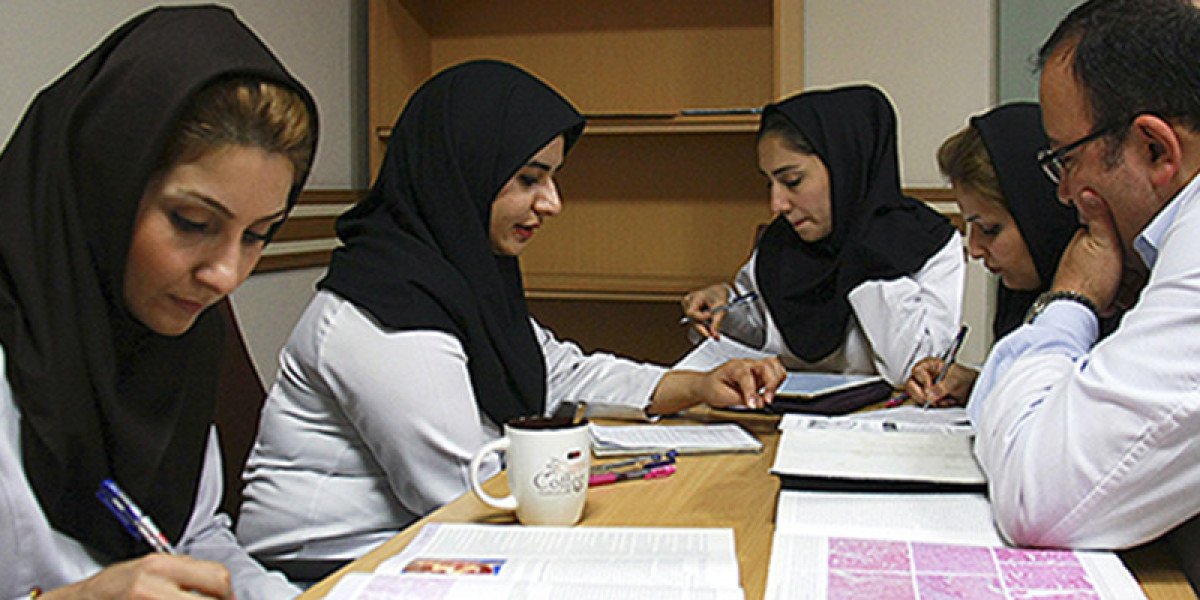

Pursuing an mbbs in Bangladesh has become one of the most practical and strategically aligned choices for Indian students who aim to return and practice medicine in India. Unlike many foreign destinations where medical education differs significantly from Indian systems, Bangladesh follows a model that closely mirrors India’s academic structure, clinical training style, patient demographics, and hospital realities. This similarity plays a crucial role in preparing graduates who are not only academically qualified but also clinically confident and culturally adapted to Indian healthcare environments. Bangladesh’s medical education system focuses on producing doctors who can seamlessly integrate into India’s public and private healthcare sectors without facing a steep learning curve.
Curriculum Alignment with Indian Medical Education
One of the strongest reasons Bangladesh prepares MBBS graduates well for Indian healthcare systems is the close alignment of its curriculum with India’s MBBS framework. Medical colleges in Bangladesh follow a syllabus that is structured around pre-clinical, para-clinical, and clinical phases, similar to Indian medical universities. Core subjects such as anatomy, physiology, biochemistry, pathology, pharmacology, microbiology, forensic medicine, community medicine, internal medicine, surgery, pediatrics, and obstetrics and gynecology are taught in the same progression and depth as in India.
This academic familiarity allows Indian students to adapt easily from the first year itself. Concepts taught in classrooms feel recognizable, and examination patterns emphasize understanding, writing skills, and clinical correlation rather than superficial memorization. As a result, students build a solid conceptual foundation that directly supports future licensing exams and real-world medical practice in India.
Clinical Exposure That Reflects Indian Hospital Reality
Clinical training in Bangladesh is one of the most decisive factors in shaping graduates for Indian healthcare systems. Most Bangladeshi medical colleges are affiliated with large government hospitals or high-patient-volume teaching hospitals. These hospitals serve dense populations and manage a wide range of medical conditions daily, closely resembling Indian government hospital settings.
Students are exposed to infectious diseases, maternal and child health cases, trauma, chronic lifestyle disorders, and emergency situations that are commonly seen in India. This exposure helps students develop practical diagnostic skills and confidence in managing patients under pressure. By the time students reach their internship, they are already accustomed to busy wards, limited resources, and high patient loads, which are defining features of Indian healthcare.
Hands-On Training and Active Clinical Participation
Bangladesh emphasizes active student involvement during clinical postings rather than limiting students to observation alone. Medical students participate in ward rounds, patient history-taking, physical examinations, case presentations, and diagnostic discussions under the supervision of experienced doctors. This active engagement helps students understand not only what to diagnose but also how to think clinically and communicate effectively with patients and medical teams.
Such hands-on exposure builds decision-making ability and clinical maturity. Students learn how to prioritize cases, interpret investigations, and manage time efficiently—skills that are essential for working in Indian hospitals where doctors often handle large numbers of patients within limited time frames.
Examination System That Builds Indian Exam Readiness
The examination pattern in Bangladeshi medical colleges plays a significant role in preparing students for Indian medical licensing exams. Assessments include internal tests, professional examinations, practical exams, viva voce, and clinical case evaluations. This system closely resembles Indian university examinations and encourages consistent academic discipline.
Students become comfortable with long-answer writing, clinical reasoning questions, and oral examinations, which are critical components of FMGE and the upcoming NExT exam in India. Regular assessments help students identify weaknesses early and improve continuously, making them more confident and exam-ready upon graduation.
Language and Communication Compatibility
Language compatibility is another important factor that eases the transition of Bangladeshi MBBS graduates into Indian healthcare systems. The medium of instruction in Bangladesh is English, the same as in India. Additionally, Bangla shares similarities with Hindi and other Indian languages in sentence structure and vocabulary, making patient communication easier for Indian students.
Effective communication with patients is a core requirement in Indian medical practice. Students trained in Bangladesh develop patient interaction skills that translate naturally into Indian clinical environments, helping them build rapport, gather accurate histories, and explain medical conditions clearly.
Internship Training Comparable to Indian Standards
The internship structure in Bangladesh closely resembles that of Indian medical colleges. Students rotate through major departments such as medicine, surgery, pediatrics, obstetrics and gynecology, orthopedics, and emergency medicine. During this period, interns assist senior doctors, observe procedures, and gradually take on supervised responsibilities.
This internship experience prepares students for the realities of working as junior doctors in India. They learn hospital protocols, teamwork, ethical practices, and patient management strategies that are directly applicable to Indian healthcare institutions. As a result, graduates face fewer adjustment challenges when they return to India for licensing exams or hospital roles.
Discipline and Work Ethic Suitable for Indian Medical Practice
Medical colleges in Bangladesh maintain strict academic discipline, attendance requirements, and performance monitoring. Students are trained in a structured environment that demands consistency, responsibility, and dedication—qualities that are essential for surviving and succeeding in India’s demanding medical profession.
This disciplined training helps students develop resilience and the ability to handle long working hours, emergency duties, and academic pressure. Such mental preparedness is crucial for Indian healthcare settings, where doctors are often expected to perform under intense conditions.
FMGE and NExT Readiness Among Graduates
Historically, MBBS graduates from Bangladesh have shown relatively better performance in FMGE compared to many other foreign MBBS destinations. This success is not accidental; it is the result of curriculum similarity, clinical exposure, examination patterns, and disease familiarity. As India moves toward the NExT system, which focuses more on clinical competence and applied knowledge, the Bangladeshi training model remains highly relevant.
Students trained in Bangladesh are already accustomed to case-based learning and clinical reasoning, giving them an advantage in future licensing frameworks.
Cultural and Healthcare System Familiarity
Beyond academics and clinics, cultural familiarity also plays a role in preparing graduates for Indian healthcare systems. Bangladesh shares cultural similarities with India in terms of food habits, social values, patient behavior, and public health challenges. This familiarity helps students understand patient expectations, family involvement in healthcare decisions, and socio-economic factors affecting treatment adherence—key aspects of Indian medical practice.
Conclusion
Bangladesh prepares MBBS graduates for Indian healthcare systems through a combination of aligned curriculum, strong clinical exposure, disciplined academic training, and realistic hospital experience. Students graduate not only with a recognized medical degree but also with the confidence, adaptability, and practical skills required to function effectively in Indian hospitals. From classrooms to clinics, the Bangladeshi medical education system mirrors Indian medical realities closely, making the transition back to India smoother and more successful. For Indian aspirants who want an overseas MBBS experience without distancing themselves from Indian healthcare practice, Bangladesh remains one of the most dependable and strategically sound choices.