
In today’s rapidly evolving digital landscape, cybersecurity professionals play an essential role in protecting sensitive data, maintaining network integrity, and ensuring that businesses remain resilient against cyber threats. While the focus of cybersecurity work is often on technical skills, protocols, and defense strategies, the professional expectations surrounding appearance and conduct are equally important. Workplace environments continue to modernize, but professionalism remains a constant standard. This is where establishing and understanding a dress code becomes valuable. A consistent set of guidelines helps cultivate credibility, respect, and trust, both within the organization and when interacting with clients or external partners.
Importance of a Cyber Security Dress Code
Cyber Security Dress Code a well-thought-out dress code plays a subtle yet significant role in the cybersecurity sector. It reinforces professionalism, aligns teams with organizational culture, and ensures that employees present themselves appropriately in every setting. Whether working in an office, attending meetings, or engaging in on-site system audits, cybersecurity professionals benefit from having clear expectations regarding their appearance. This helps establish a unified identity and conveys seriousness in a field where reliability and trustworthiness are crucial.
Professionalism and First Impressions
In cybersecurity, first impressions matter. Although much of the work occurs behind the scenes or remotely, professionals frequently interact with clients, executives, and team members. A polished and appropriate appearance signals competence and reliability. It shows that the individual respects the environment and understands the responsibility associated with safeguarding critical information. The right dress code not only enhances the reputation of the individual but also strengthens the credibility of the entire cybersecurity team.
Aligning with Workplace Culture
Every organization has its own culture, expectations, and operational style. Some cybersecurity firms embrace a relaxed tech-focused environment, while others prefer a more traditional corporate aesthetic. Aligning the dress code with company culture ensures harmony and consistency. Employees feel more comfortable and confident when they understand what is expected of them. This supports positive morale and creates a cohesive atmosphere where everyone operates under the same set of guidelines.
Balancing Comfort and Professionalism
Cybersecurity professionals often spend long hours analyzing threats, monitoring systems, and managing high-pressure situations. This makes comfort an important factor in selecting workplace attire. A good dress code balances comfort with professional standards, ensuring that employees can perform effectively without appearing overly casual. Clothing should allow for mobility and ease, especially in roles involving hardware inspections or hands-on technical work. At the same time, it should maintain a professional tone that conveys respect for the workplace.
Different Dress Code Levels
Organizations may establish different levels of dress code depending on tasks, environments, and client interactions. This tiered approach gives cybersecurity professionals flexibility while maintaining structure.
One common level is business professional. This attire is expected for client presentations, executive meetings, or formal events. It includes suits, dress shirts, slacks, skirts, and professional footwear. The purpose is to present a polished and authoritative appearance.
Another level is business casual. This is suitable for typical office workdays where client interactions are minimal. It includes collared shirts, sweaters, blouses, khakis, and closed-toe shoes. It offers comfort while maintaining professional polish.
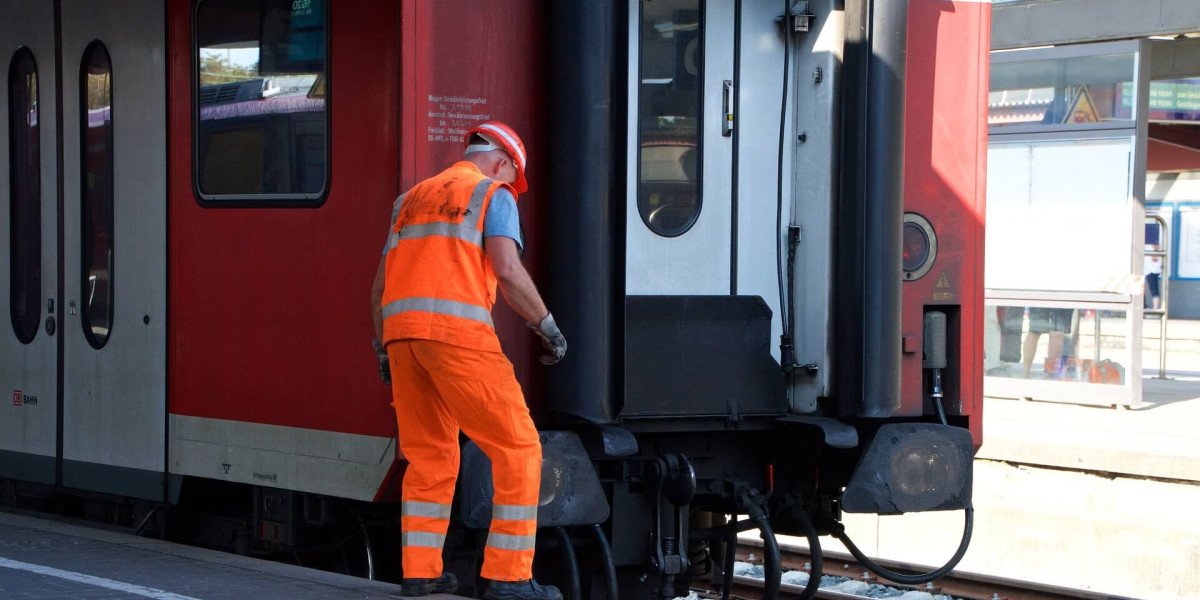
A technical or fieldwork dress level may also be necessary. For system installations, server room visits, or hardware assessments, clothing must prioritize practicality. This could include utility pants, comfortable shirts, and appropriate protective gear when required. Although still neat and presentable, this attire supports hands-on responsibilities.
Considering Remote Work Attire
With many cybersecurity professionals working remotely, dress code expectations have expanded to include guidelines for virtual settings. While remote work allows for more relaxed clothing, maintaining a professional appearance during virtual meetings remains important. Clients and colleagues still form impressions based on appearance, even through a screen. Clear guidelines ensure that remote employees understand when casual clothing is acceptable and when a more polished look is appropriate. This helps maintain professionalism across all modes of communication.
Security and Identification Factors
In certain cybersecurity environments, dress codes play a role in physical security. Some workplaces require employees to wear badges that must be visible at all times. Others may mandate specific attire to distinguish staff from visitors or contractors. Clear guidelines ensure that personnel follow identification protocols, which help maintain secure access to restricted areas. This is especially important in high-security facilities where visual verification is part of the protection process.
Safety Considerations in Technical Roles
Cybersecurity is not always limited to desk work. Professionals may need to access server rooms, handle cables, or interact with hardware. In these situations, safety becomes a factor in the dress code. Closed-toe shoes, non-slip soles, or long pants may be required to reduce risks. Clothing should not interfere with movement or create hazards. Practical guidelines help protect employees from injury and ensure that they can perform technical tasks safely.
Encouraging a Unified Team Image
A consistent dress code contributes to a unified team image, which enhances professionalism and fosters collaboration. When team members present themselves similarly, it promotes an environment of equality and reinforces the sense that everyone contributes to a shared mission. This unified appearance can also make interactions with clients more seamless, as it demonstrates organizational consistency and attention to detail.
Flexibility and Inclusivity
A modern dress code must also be flexible and inclusive. It should take into account cultural considerations, personal expression, and individual comfort needs while maintaining professionalism. Allowing reasonable accommodations ensures that all employees feel respected and valued. Inclusivity within dress guidelines also promotes a more welcoming workplace environment, improving morale and supporting employee retention.
The Impact on Career Development
How employees present themselves can influence their career progression. A professional appearance can help cybersecurity professionals stand out during evaluations, interviews, or client interactions. Adhering to dress standards demonstrates responsibility, awareness, and a commitment to organizational expectations. These qualities contribute to strong professional reputations, opening doors for promotions and leadership opportunities.
Conclusion
A dress code may seem simple, but it plays an important role in shaping the professionalism, credibility, and unity of cybersecurity teams. Clear and well-balanced guidelines help employees understand expectations, present themselves confidently, and perform effectively across a variety of environments. Whether interacting with clients, working remotely, or handling technical tasks, proper attire supports the mission of maintaining trust and safeguarding digital systems. By establishing a thoughtful dress code, organizations strengthen their overall image and create a workplace where professionalism thrives.