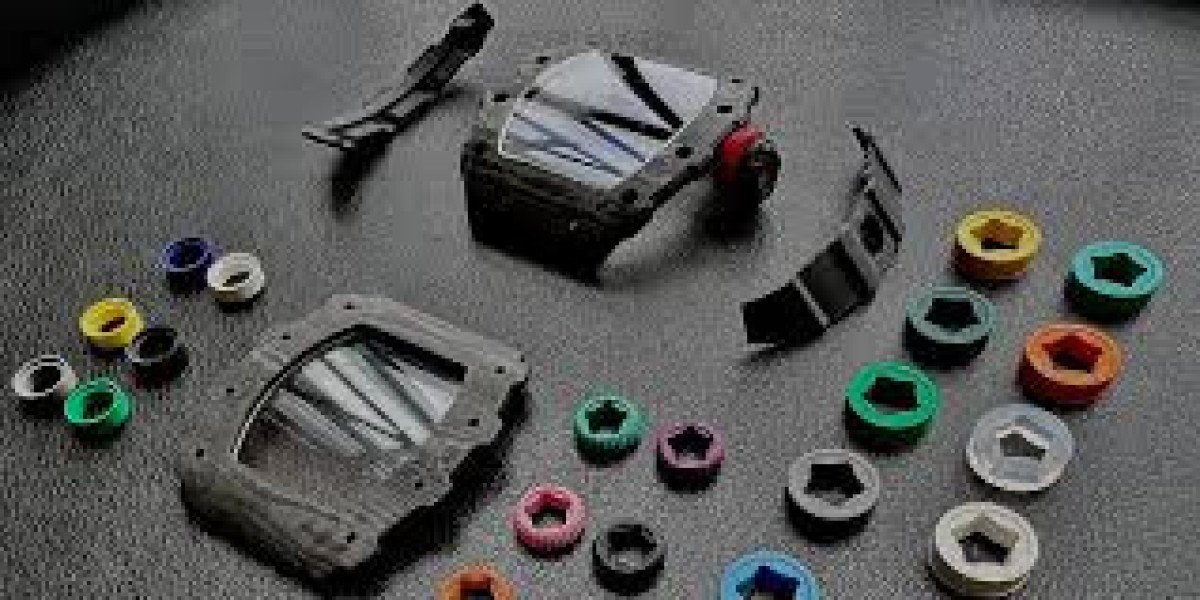

A high-end watch from brands like Rolex, Patek Philippe, Audemars Piguet, Omega, Cartier, or Vacheron Constantin is not a fashion accessory with a clock inside. It’s a miniature engine.
Inside the case you’ll find:
The movement: wheels, pinions, springs, levers, jewels, and balance assembly
The exterior parts: case, crystal, bezel, crown, pushers, bracelet or strap
Protection elements: gaskets, seals, tubes, caseback rings
Every one of these can wear, crack, rust, or deform. Luxury watch part replacements are not about “upgrading” your watch, they’re about keeping it structurally sound and mechanically honest.
The most commonly replaced luxury watch parts
Not every watch needs the same work, but some components are repeat visitors to the watchmaker’s bench.
1. Crystals: the window to your dial
The crystal is the transparent shield between your dial and the world. In most luxury watches, it’s sapphire – hard, scratch-resistant, and beautiful.
You might need a crystal replacement when:
It’s chipped at the edges after a knock
There are deep scratches that ruin clarity
It’s cracked from impact
The crystal gasket has failed and the seal is compromised
A proper replacement isn’t just about slapping on new glass. The watchmaker must fit the correct size, profile, and gasket to restore both the appearance and water resistance.
2. Crowns and pushers: small parts, huge importance
Crowns and pushers are your interface with the watch. You use them to wind, set the time, adjust the date, or start a chronograph.
Over time, they may:
Lose their sharp action
Develop play or wobble
Stop screwing down smoothly (for screw-down crowns)
Leak due to worn internal seals
Replacing crowns and pushers isn’t just cosmetic. They’re crucial to keeping water and dirt out. A tired crown is often the first step toward a moisture problem.
3. Gaskets and seals: the invisible guardians
You’ll probably never see your watch’s gaskets and seals, but they work constantly in the background. They sit in:
The caseback
The crown and tube
The pushers
Sometimes the crystal seat
Rubber and synthetic gaskets naturally age. They flatten, harden, and crack. During a proper service, a watchmaker will replace these as a matter of course. Skipping this step is like driving a sports car on bald tires—it may still move, but you’re inviting trouble.
4. Mainspring and movement components: the heart and muscles
Inside the movement, power is stored and released by the mainspring, then transmitted through the gear train and escapement. Over the years:
The mainspring can lose its elasticity or slip
Teeth on wheels and pinions can wear
Jewels can chip
Rotor bearings (in automatics) can wear and cause noise or inefficient winding
Luxury watch part replacements here are delicate and require calibration. It’s not enough to simply “pop in a new spring.” The watchmaker must understand the specific calibre, friction points, and how everything interacts.
5. Hands and dial components: beauty and fragility
Hands and dials are often the soul of a watch. They’re also surprisingly vulnerable.
They might need replacing or restoration when:
Moisture has caused rust or stains
Luminous material has turned to powder
Hands are bent and scrape the dial or crystal
Collectors often prefer to preserve original hands and dials whenever possible. A good watchmaker will always weigh the pros and cons of replacement versus restoration and discuss them with you.
6. Bracelets, clasps, and end links: comfort and security
Luxury bracelets are amazingly strong, but years of wear take their toll.
Common issues include:
Bracelet “stretch” from worn pins and links
Loose or missing screws
Clasps that no longer lock securely
Damaged end links that don’t sit correctly between the lugs
Sometimes individual parts can be replaced; other times the safest option is a new clasp or bracelet. Either way, this is about keeping your watch safely attached to your wrist.
OEM vs aftermarket parts: why it matters
One of the biggest questions in luxury watch part replacements: Which parts are being used?
OEM (original equipment manufacturer) parts
Designed for your brand and model. They maintain originality and often help preserve value.Aftermarket parts
Third-party components. Quality ranges from excellent to terrible. Some are visually close; others are obvious replacements.
A reputable workshop will:
Be transparent about what parts they’re using
Explain why a certain part is chosen
Discuss the impact on authenticity, value, and future servicing
If the answer to “What parts will you use?” is vague, that’s your cue to be cautious.
Why you shouldn’t treat part replacement as a DIY project
It’s easy to underestimate how precise these parts and tolerances are. A luxury watch is not a Lego set.
DIY attempts can cause:
Scratched dials and hands
Bent pivots and broken jewels
Stripped crown tubes and case threads
Leaks due to misfitted gaskets
Once certain parts are damaged, replacing them becomes far more expensive—and sometimes impossible. This is why proper luxury watch part replacements are absolutely a job for specialists.
Why a specialist like AG Watch Repair Hong Kong is so important
When it comes to part replacements, who does the work is just as important as which parts are used.
A dedicated workshop like AG Watch Repair Hong Kong (agwatchrepair.com.hk) focuses on servicing and repairing high-end watches with the care they deserve. That means:
Expert diagnostics
They don’t replace parts blindly. They identify wear, look for root causes, and recommend only what your watch genuinely needs.Correct components and techniques
Parts are sourced and fitted with your specific movement and model in mind, not with a “one size fits all” approach.Respect for originality
Case refinishing, bracelet work, and dial/hand decisions are approached with sensitivity, aiming to preserve character and value.Clear communication
You’ll understand which parts are being replaced, why, and what the goals are for performance and aesthetics.
For collectors and enthusiasts, this level of care turns part replacements from a nervous gamble into a confident, informed decision.
How to know it’s time to talk about part replacements
You don’t need to be a watchmaker to sense that something is off. Pay attention if:
The watch’s accuracy suddenly changes
The crown feels wobbly, gritty, or hard to screw down
You see fogging, spots, or corrosion on the dial or hands
The bracelet feels excessively loose or the clasp unreliable
The crystal has obvious chips or cracks
These are gentle (and sometimes not-so-gentle) hints that certain parts are no longer doing their job.
Final thoughts: part replacements as part of your watch’s story
Needing luxury watch part replacements doesn’t mean your watch is “ruined” or “old news.” Quite the opposite. It means the watch is being worn, loved, and allowed to live its purpose.
Handled by experts, replacing the right parts at the right time:
Restores reliability and confidence
Protects against catastrophic damage
Keeps your watch looking and feeling special every time you fasten it on
By trusting a specialist workshop like AG Watch Repair Hong Kong (agwatchrepair.com.hk), you’re not just swapping components—you’re investing in the next decade (or more) of your watch’s life, and making sure that every tiny piece inside it is working together in perfect, Swiss-level harmony.