
Residency Requirement for Renting in Doha
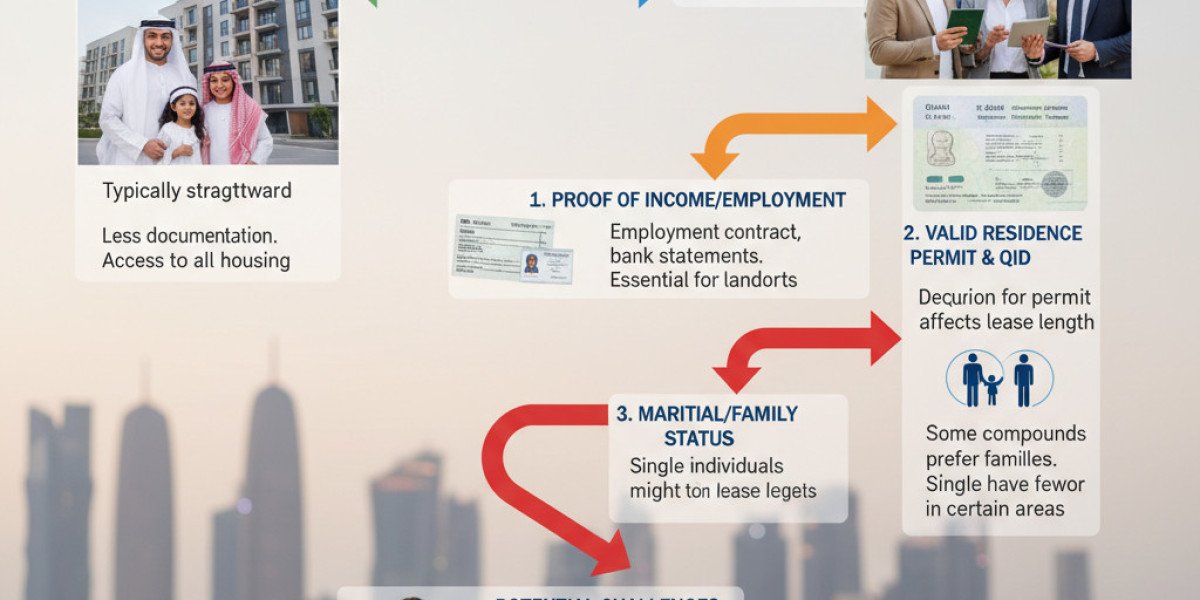
To rent a property in Doha, tenants must generally hold a valid Qatari residency permit. This document proves legal status in the country and reassures landlords about payment security and tenancy duration. Without it, most landlords and property management companies are reluctant to sign lease agreements. Short-term rental options may exist in serviced apartments or hotels, but standard long-term leases almost always require proof of residency.
Expatriates and Rental Eligibility
Expatriates form a large portion of Doha’s population. For them, visa status directly determines the type of housing they can access. A work visa sponsored by an employer often makes it easier to rent, as companies sometimes provide accommodation or act as guarantors. By contrast, dependents under family visas may face stricter conditions, as landlords typically prefer tenants with direct income sources. This difference can affect the bargaining power and range of choices available to renters.
Short-Term Visitors and Limitations
Visitors in Doha with tourist visas usually cannot secure long-term rentals. Since landlords prioritize tenants who can commit to at least one year, those on visit visas are limited to short-term stays in furnished apartments, serviced residences, or hotels. This makes it more costly for short-term residents compared to those holding valid residency permits.
Employment-Based Residency and Leasing
Work visas are the most common pathway for renting an apartment in Doha. Employers often facilitate the process by providing necessary documentation, such as employment contracts and proof of salary. This creates confidence for landlords, as they view employed residents as reliable tenants. Many expatriates searching for apartments for rent in Doha rely on this framework to secure stable accommodation near their workplace or in popular residential zones.
Family Visas and Housing Options
Family sponsorship visas allow expatriates to bring their spouses and children to Qatar. While this visa status makes it possible to rent, landlords may ask for additional guarantees such as proof of income from the main sponsor. Families also tend to look for larger properties such as villas or multi-bedroom apartments. In such cases, compound villas become attractive because of the amenities and security they provide, offering families both convenience and privacy.
Lease Agreements and Legal Proof of Residency
In Doha, a residency permit is often requested at the time of signing a lease agreement. This ensures compliance with Qatari law and helps landlords validate tenant eligibility. Some contracts also require a post-dated rent check or deposit linked to a local bank account, which is only possible with a residency permit. Without this, tenants may have to rely on serviced rentals at higher costs.
Landlord Preferences and Tenant Stability
Landlords in Doha value stability. A tenant with a valid residency permit backed by steady employment is seen as lower risk compared to someone with uncertain visa status. This preference can impact negotiations on rent prices, payment terms, and even property availability. In contrast, visitors or residents with visas close to expiration may find it harder to secure favorable agreements.
Renewals and Visa Expiry Concerns
When a tenant’s visa is close to expiration, landlords may hesitate to renew the lease. Some landlords insert clauses requiring tenants to maintain valid residency throughout the contract. Failure to renew a visa can put the tenancy at risk, even if rent has been paid in advance. This means tenants must align visa renewals with lease terms to avoid disruptions.
Business Owners and Commercial Rentals
Visa status also matters for business owners looking to rent commercial spaces. Entrepreneurs require valid business visas or trade licenses to lease offices, shops, or retail units. Without proper documentation, commercial landlords will not proceed with rental agreements. This highlights how closely tied Qatar’s rental market is to immigration and residency regulations. For more details on renting for businesses, you can read: Retail space for rent in Qatar: essential considerations for local & international brands.
Serviced Apartments for Flexible Stay
For those who face challenges due to visa status, serviced apartments provide a flexible alternative. These properties are available on a monthly or quarterly basis and do not always require a residency permit. While the cost is higher, they cater to expatriates in transition, new arrivals awaiting residency approval, or professionals on short-term projects.
Impact of Sponsorship on Housing Choices
Qatar’s sponsorship system links visa status directly with employment. Tenants sponsored by large companies often enjoy easier access to premium apartments and compounds. Some employers even cover rent directly, which reduces the tenant’s financial burden and reassures landlords. On the other hand, freelancers or small business owners without corporate backing may face stricter requirements when applying for leases.
Popular Residential Choices for Expats
Expatriates with stable residency permits often look for housing in areas such as West Bay, The Pearl, and Lusail. These neighborhoods offer a wide range of options, from high-rise apartments to luxury villas. For those specifically exploring housing options, finding the right property can be easier through local platforms. Many residents search for apartments for rent in Doha, which provide comprehensive listings tailored to different visa and budget situations.
Legal Protection and Tenant Rights
Qatar’s rental laws protect both landlords and tenants, but these protections are tied to legal residency. Without a valid visa, tenants may find it difficult to challenge disputes or claim rights under Qatari law. This makes maintaining up-to-date residency documents crucial, not only for securing housing but also for ensuring legal protections.
The Role of Property Management
Property management companies in Doha are strict about verifying visa status before finalizing contracts. Their processes ensure compliance with national regulations and protect landlords against risks of default. For tenants, this also adds a layer of security, as it formalizes the rental agreement under clear terms.
Conclusion
In Doha, visa status is more than just a formality—it is the foundation of renting. From eligibility to lease renewals, from housing options to legal protections, every stage of the rental process depends on valid residency. Expatriates with secure work visas or family sponsorships have greater access to a variety of housing options, while visitors face limitations and higher costs. Whether renting a simple studio or a luxury villa, ensuring valid visa status is the first step toward a stable living arrangement in Qatar.